 This was not my idea, but it is an idea that has absorbed me from the beginning of my artistic life not to mention my life in the church.
Let me explain.
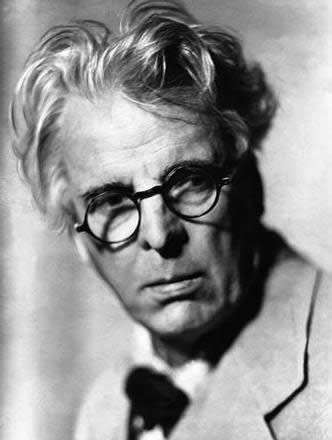
I have loved the idea of a terrible beauty long before I'd heard that William Butler Yeats gave it a name
Now and in time to be,
Wherever green is worn,
Are changed, changed utterly:
A terrible beauty is born.
The Waukesha fire of 2005 and the oil spill of 2010 have this in common. There is about it all a terrible beauty.Wherever green is worn,
Are changed, changed utterly:
A terrible beauty is born.
Beauty lies, in part, in contrasts. The night of the fire was deeply cold. I forget really how cold, and I might have the exaggeration of memory, but I just remember standing outside of the fire command post in the parking lot of the church at about 11 p.m. The fire was blazing in front of me and I had not yet been invited in to the warmth of the command post—a trailer sitting in our parking lot. I had put on loafers because that was all I saw at the door when I left my house after the 9:45 phone call telling me that the church was on fire. Melting snow had seeped into the thin souls.
Now I just stood there. Deeply cold, facing a fire the temperature of which were beyond measurement. The assistant fire chief for our city said that his advanced team went in to the narthex of the church just minutes after they were called. They had infra-red scopes to see if there were bodies in the smoke-filled darkness. But these scopes, designed to measure heat, saw only heat at the front of the church. A blazing red-orange filled their scopes such that no bodies could have been seen if they were there.
The December night sky was crystal clear and dark. And the heat was intense enough to obliterate the possibilities of life. The contrasts were enormous. It was a terrible beauty.
Contrasts in art can be overdone, of course. Blue and orange can live together only so long until someone gets the joke. Okay, move on. We see what you're doing.
But for the accidental moment, the terror is beautiful though no one is altogether willing to admit it at the time. One dares not call it beauty while the mourners are gathered, of course. It is just a horror. It is not anything like beautiful. And when this oil spill goes on like it has, it "can make a stone of the heart."
Why, exactly, are there so many stunning pictures of natural disasters? Because beauty and terror live naturally together.
Guernica. There, I've said it. If it were a simple one to one depiction of the 1937 destruction of the Basque city, there would be no remark. But Picasso rendered it with horses' heads raised in horror and bodies strewn and screaming across the horizontal expanse. It is a terrible beauty.


 Posts
Posts


No comments:
Post a Comment